
Jean-Michel Ganteau is Professor of Contemporary British Literature at the University Paul Valéry Montpellier 3 (France) and a member of the Academia Europaea. He has published extensively on contemporary British fiction, with a special interest in the ethics of affects trauma criticism and theory, and the ethics of vulnerability. He is the editor of the journal Études britanniques contemporaines and the author of four monographs: David Lodge: le choix de l’éloquence (2001), Peter Ackroyd et la musique du passé (2008), The Ethics and Aesthetics of Vulnerability in Contemporary British Literature(2015), and The Poetics and Ethics of Attention in Contemporary British Narrative (Routledge 2023), among many other publications.
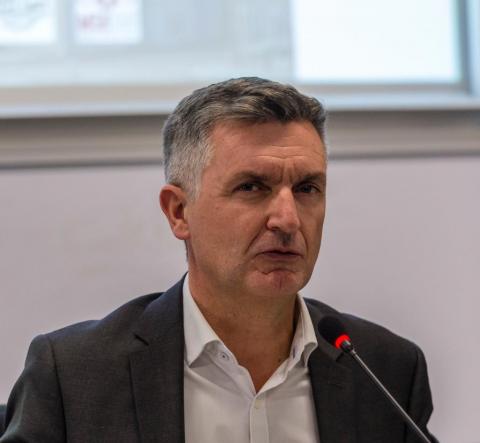

Anne Schwan is Professor in literary and cultural studies at Edinburgh Napier University, where she leads the interdisciplinary Research Centre for Arts, Media and Culture (CAMC). Her research deals with the study of crime and imprisonment, their portrayal in literature and their cultural impact. She is the author of Convict Voices: Women, Class, and Writing about Prison in Nineteenth-Century England (University of New Hampshire Press, 2014), co-author of How to Read Foucault’s Discipline and Punish (Pluto, 2011), co-editor of The Palgrave Handbook of Digital and Public Humanities (Palgrave Macmillan, 2022), and many more publications.
Corina Stan is Bacca Foundation Associate Professor of comparative literature at Duke University, where she teaches classes on comparative modernism across the arts, political theater, community and migration, historical fiction, theory and the contemporary world. Her research concerns twentieth- and twenty-first century comparative literature (in English, French and German), the intersection of literature and moral philosophy, critical theory, and the sociology of intellectuals. Her first book, based on her PhD dissertation supervised by Toril Moy, was The Art of Distances. Ethical Thinking in Twentieth-Century Literature (Northwestern University Press, 2018). She has also co-edited, with Charlotte Sussman, The Palgrave Handbook of European Migration in Literature and Culture (2023).
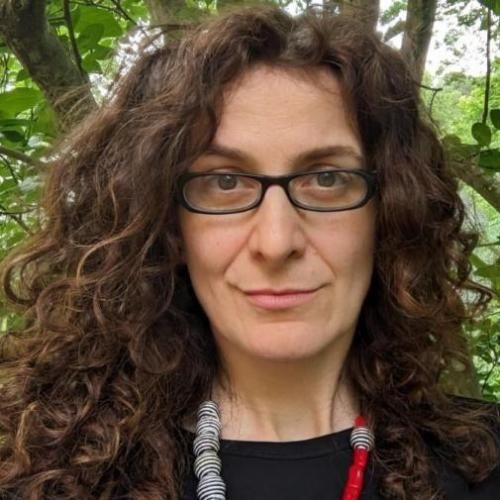
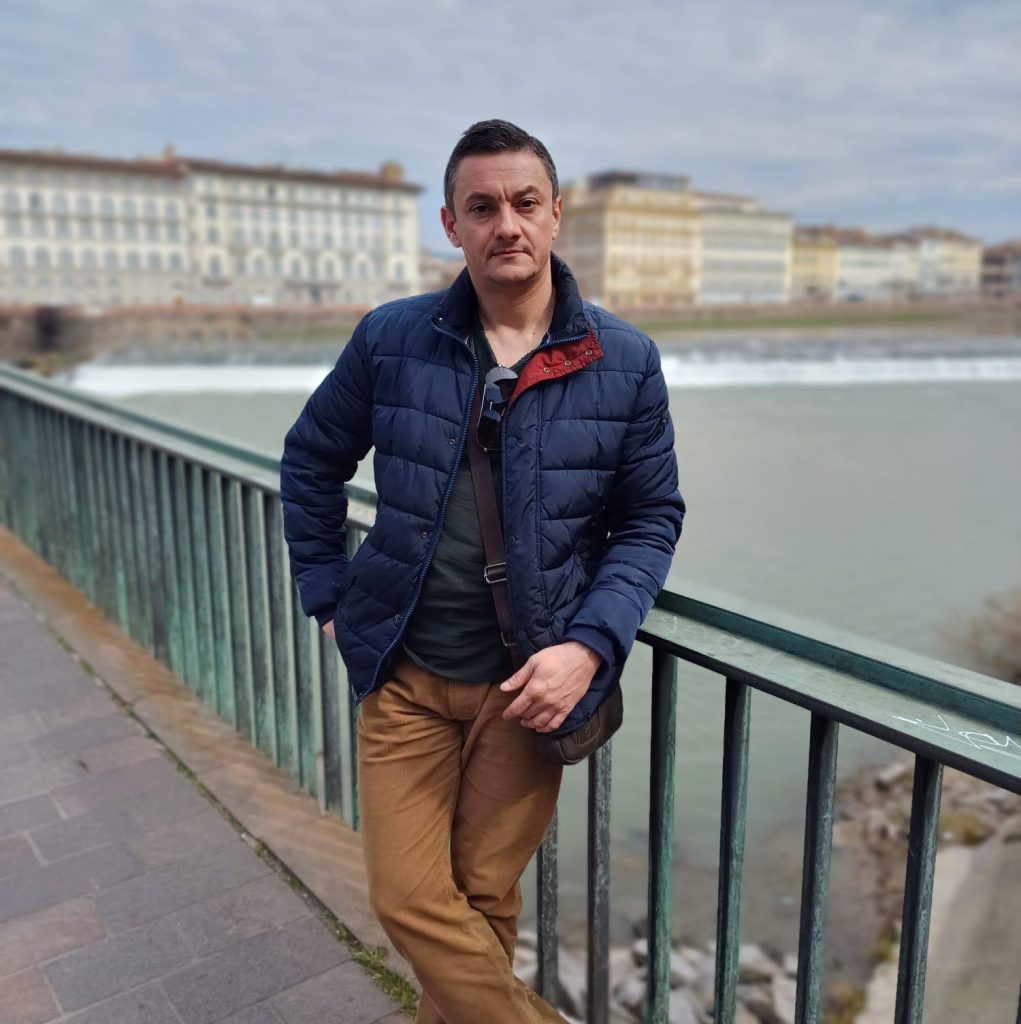
Dragoş Ivana is Associate Professor of English and Head of the English Department of the Faculty of Foreign Languages and Literatures at University of Bucharest. His main research interests are British literature, the early American novel, comparative literature, Cervantes studies, critical theory, and city studies. He is president of the Romanian Society for Eighteenth-Century Studies and delegate member of the Executive Committee of the International Society for Eighteenth-Century Studies. He has published extensively on the reception of Cervantes in the eighteenth-century English novel, novel theory and, recently, on the relationship between literature and the city.
Martin Hilpert is Professor of English Linguistics at the University of Neuchâtel, holding a PhD from Rice University. He has done postdoctoral research at the International Computer Science Institute in Berkeley and at the Freiburg Institute for Advanced Studies. His main fields of study are cognitive linguistics, language change, construction grammar, and corpus linguistics.

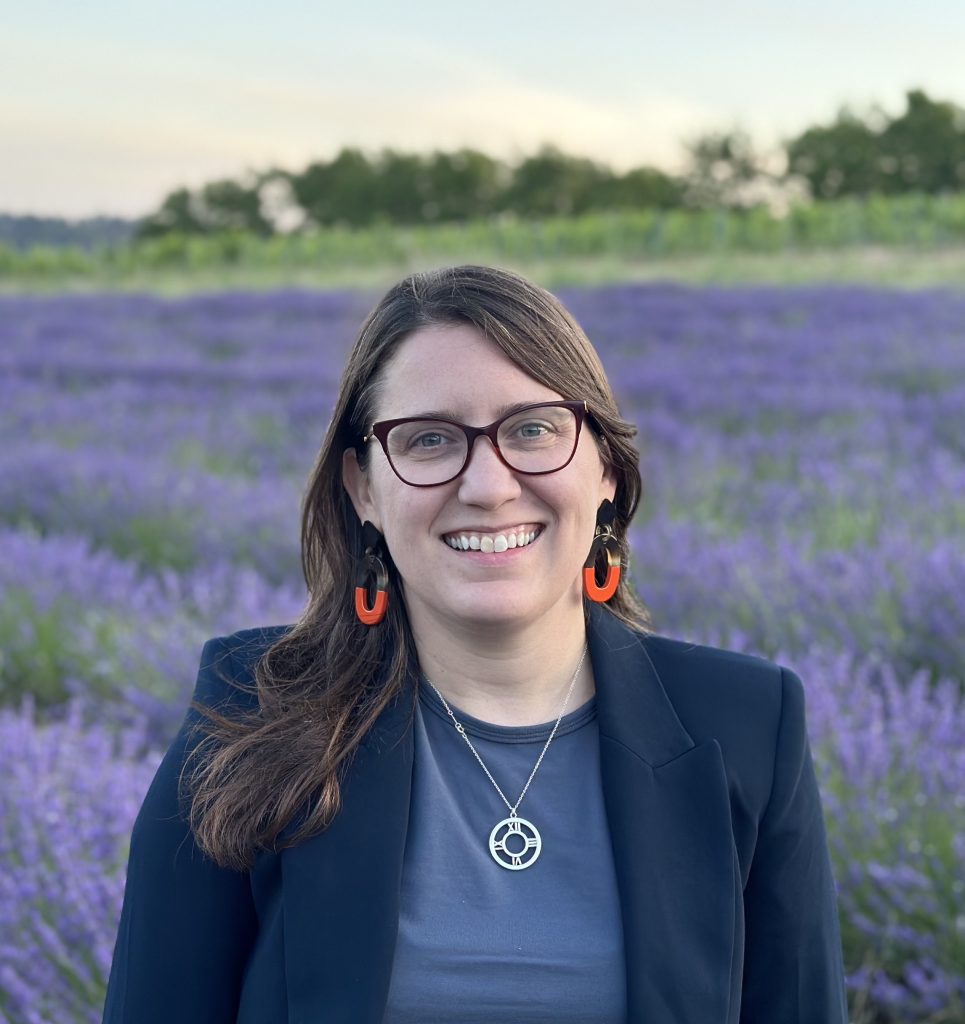
Lauren Tilton is the E. Claiborne Robins Professor of Liberal Arts and Digital Humanities at the University of Richmond. She specializes in computational approaches to studying 20th and 21st century visual culture. Her most recent co-authored books include Distant Viewing: Computational Exploration of Digital Images (MIT Press), Humanities Data in R 2nd Edition (Springer), and Computational Humanities (University of Minnesota Press). Her award-winning scholarship has received funding from the American Council of Learned Societies, National Endowment for the Humanities, and Mellon. She is Editor-in-Chief of Computational Humanities, an open access journal with Cambridge University Press. She is President of the Association for Computers and the Humanities (ACH), the scholarly association for digital humanities in the United States, and President-Elect of the Association of Digital Humanities Organization (ADHO), the global DH association. She earned her PhD in American Studies from Yale University.
Leave a Reply